Nutrition
How Much Fiber Do You Need? Best High-Fiber Foods for Fitness
By MyFitnessGrowth Editorial Team · 2026-09-12 · 9 min read
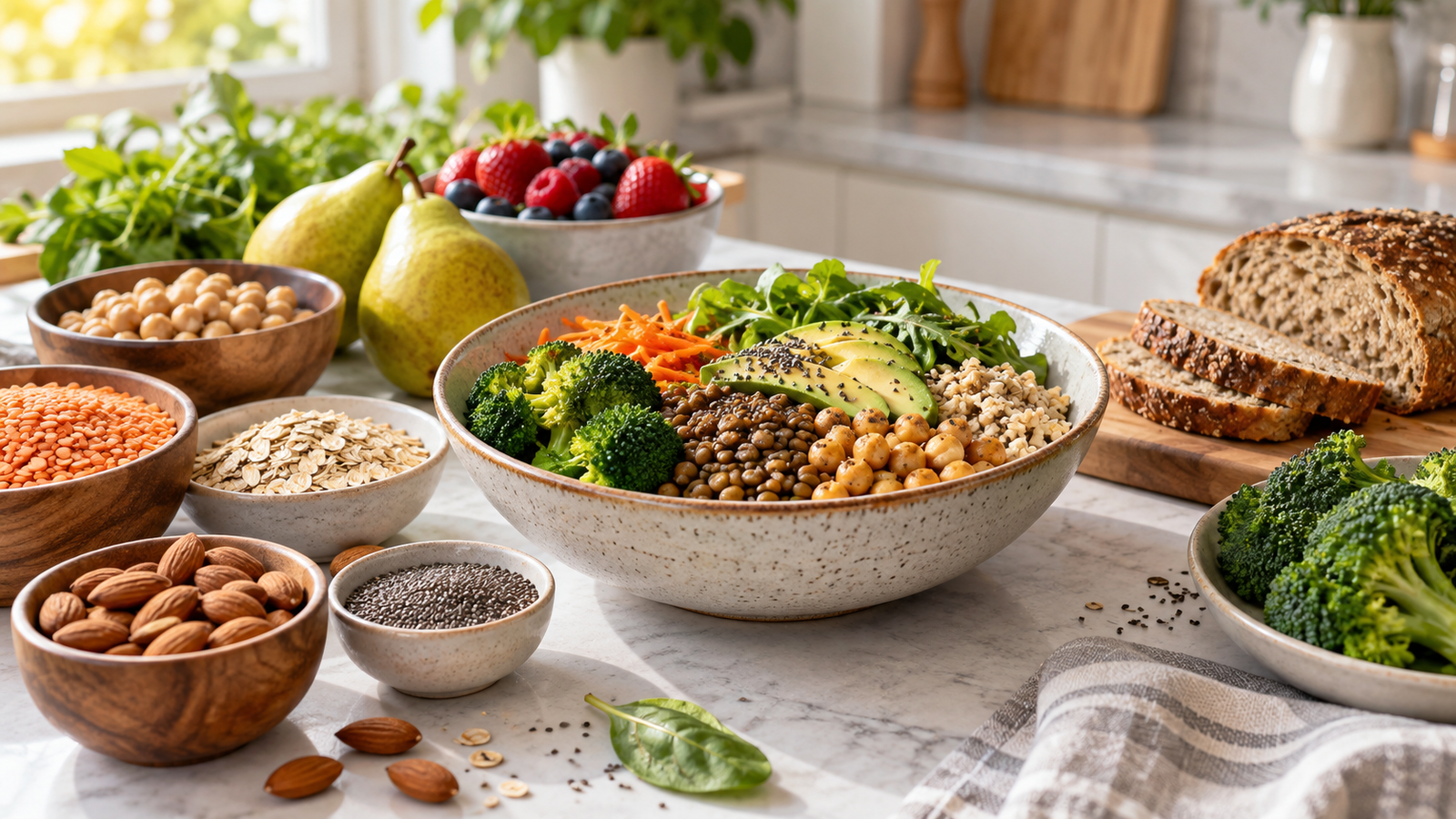
Fiber rarely gets the attention given to protein, but it plays an important role in a balanced fitness diet. It can support regular digestion, make meals more satisfying and help you build plates around nutrient-rich foods such as vegetables, fruit, beans, whole grains, nuts and seeds. Yet many people try to improve their diet by adding one oversized fiber bar or supplement instead of gradually changing the foods they eat.
So, how much fiber do you need each day? The U.S. Food and Drug Administration uses a Daily Value of 28 grams for adults and children aged four and older on a 2,000-calorie diet. Individual needs can vary with age, sex, calorie intake, health and activity. This guide explains practical targets, the best high-fiber foods and a comfortable way to increase fiber without turning every meal into a nutrition calculation.
What Is Dietary Fiber?
Dietary fiber is a type of carbohydrate found mainly in plant foods. Unlike sugars and starches, much of it is not completely broken down and absorbed in the small intestine. Different fibers behave differently in the digestive system, so variety matters more than relying on one ingredient.
Soluble fiber
Soluble fiber dissolves or swells in water and can form a gel-like material. Foods containing it include oats, beans, lentils, apples, citrus fruit, barley and some seeds. Certain soluble fibers are fermented by gut bacteria.
Insoluble fiber
Insoluble fiber adds bulk and helps food move through the digestive tract. Whole grains, wheat bran, vegetables, nuts and many fruit skins provide it. Most high-fiber foods contain a mixture rather than only one type.
You do not need to track soluble and insoluble fiber separately. Eating a varied mix of minimally processed plant foods is a simpler strategy for most healthy adults.
How Much Fiber Do You Need Per Day?
The FDA Daily Value for dietary fiber is 28 grams per day, based on a 2,000-calorie diet. The National Institute of Diabetes and Digestive and Kidney Diseases notes that adults generally need about 22 to 34 grams, depending on age and sex. These numbers are useful reference points, not a requirement to hit an identical total every single day.
If your current intake is low, jumping straight to 28 or 30 grams overnight may cause bloating, gas or abdominal discomfort. Increase fiber over several days or weeks, and drink enough fluid to support normal digestion. People with digestive conditions, recent gastrointestinal surgery or medically prescribed diets should ask a qualified clinician or registered dietitian for an individualized target.
Why Fiber Matters for Fitness and Healthy Weight Management
More satisfying meals
High-fiber foods often require more chewing and add volume to meals. Beans, whole grains, vegetables and fruit can help a plate feel substantial. Fiber is not a fat-loss shortcut, but satisfying meals may make a sensible calorie intake easier to maintain without extreme restriction.
Regular digestion
Fiber and adequate fluid support normal bowel function. This can be especially helpful when a fitness diet becomes overly focused on lean meat, shakes and refined carbohydrates while vegetables, fruit and whole grains disappear.
A more nutrient-rich eating pattern
Fiber-rich foods bring more than fiber. Lentils provide protein and minerals; berries provide vitamins and plant compounds; whole grains provide B vitamins; nuts and seeds offer unsaturated fats. Choosing these foods can improve overall diet quality even when fiber is not the only goal.
Steadier workout fueling
Fiber slows digestion of many mixed meals, which can support sustained energy. However, a very large high-fiber meal immediately before hard exercise may feel heavy or cause stomach discomfort. Timing and tolerance matter.
15 High-Fiber Foods to Add to Your Diet
Fiber content varies by variety, serving size and preparation. Use labels or a reliable food database when an exact number matters, but the following foods are strong everyday choices:
- Lentils: Add them to soups, curries, salads or grain bowls.
- Black beans: Use in tacos, rice bowls, chili or bean salads.
- Chickpeas: Roast them for a snack or add them to wraps and hummus.
- Split peas: An affordable base for filling soups.
- Oats: Useful for porridge, overnight oats and homemade snack mixtures.
- Barley: A chewy whole grain for soup, stew or meal-prep bowls.
- Whole-grain bread: Compare labels because fiber differs widely among products.
- Raspberries: Add to yogurt, oats or smoothies rather than straining out the seeds.
- Pears: Eat the washed skin when tolerated for more fiber.
- Apples: Pair with nuts or yogurt for a balanced snack.
- Broccoli: Roast, steam or stir-fry it as an easy side dish.
- Green peas: Keep frozen peas available for quick meals.
- Avocado: Add a moderate portion to toast, salads or bowls.
- Chia seeds: Stir a small amount into oats or yogurt and allow them to absorb liquid.
- Almonds: Combine fiber, healthy fats and some protein in a portable portion.
A Simple High-Fiber Day of Eating
You can spread fiber across the day instead of forcing most of it into dinner:
- Breakfast: Oatmeal with berries, chia seeds and yogurt.
- Lunch: A whole-grain wrap filled with chickpeas, mixed vegetables and a protein source.
- Snack: A pear with a small handful of almonds.
- Dinner: Lentil and vegetable curry with brown rice, or fish or chicken with barley and roasted broccoli.

This example is flexible. Portions should match your appetite, body size, training and goals. Vegetarians can use beans, lentils, tofu, tempeh and dairy or fortified alternatives for protein. Non-vegetarians can combine plant foods with eggs, fish, poultry or lean meat. For more combinations, see our guide to protein-rich foods for vegetarians and non-vegetarians.
How to Increase Fiber Without Bloating
Start with one change
Add one serving of fruit, vegetables, beans or whole grains to your usual day. Keep it consistent for several days before adding more. This lets your digestive system adjust and helps you identify which foods feel best.
Drink enough fluid
The NIDDK recommends adding fiber gradually and drinking enough liquids to help it work better. Fluid needs vary with climate, sweating, activity and health, so use thirst, urine color and professional guidance when relevant rather than forcing a fixed volume.
Cook foods when needed
Cooked vegetables, soups, oats and well-cooked legumes may feel more comfortable than very large raw salads. Rinsing canned beans can improve taste and reduce sodium, while starting with a smaller portion may help tolerance.
Spread fiber through the day
Three moderate servings are often more comfortable than one enormous meal. Build fiber into breakfast, lunch, snacks and dinner gradually.
Keep a simple food-and-symptom note
If discomfort occurs, write down the food, portion and timing. Reduce the size rather than eliminating every fiber-rich food. Persistent or severe symptoms deserve medical advice.
Fiber Before and After Workouts
Fiber is healthy, but more is not always better immediately before training. Large servings of beans, bran cereal or raw vegetables close to running, jumping or intense lifting can cause fullness, cramping or an urgent bathroom break in some people.
Before exercise, choose a familiar meal and allow enough digestion time. If training within an hour, a lower-fiber carbohydrate such as a banana, toast or rice cake may feel better. If you have two to three hours, a balanced meal with moderate fiber is often comfortable. After training, return to your normal pattern with protein, carbohydrates, colorful plants and fluids. Our beginner pre-workout nutrition guide explains timing in more detail.
Whole Foods or Fiber Supplements?
Whole foods are a strong first choice because they supply vitamins, minerals, protein or healthy fats alongside fiber. A supplement can be useful for some people, but it does not replace a varied diet. Different products contain different fibers and may affect digestion differently.
If you use a supplement, follow its label, begin with the lowest practical serving and take it with the recommended amount of fluid. Fiber supplements can change how some medicines are absorbed, so ask a pharmacist or healthcare professional about timing if you take prescription medication.
Common High-Fiber Diet Mistakes
Increasing too quickly
Doubling intake in one day is a common reason for gas and bloating. Gradual changes are usually more sustainable.
Adding fiber without fluids
A large increase in bran, seeds or supplements without enough fluid may worsen discomfort or constipation.
Assuming every brown product is high in fiber
Color is not proof. Check the Nutrition Facts label. The FDA considers 5% Daily Value or less per serving low and 20% or more high.
Ignoring workout timing
A very high-fiber meal that works well at dinner may not be ideal 30 minutes before a hard workout.
Chasing a number instead of diet quality
Reaching a target mainly through processed bars and powders misses the variety of nutrients available in beans, whole grains, vegetables, fruit, nuts and seeds.
Frequently Asked Questions
Is 30 grams of fiber a day too much?
For many healthy adults, 30 grams fits within general recommendations. Tolerance depends on your usual intake, fluid intake and health. Increase gradually rather than making a sudden jump.
Can fiber help with weight loss?
Fiber-rich foods can make meals more satisfying, but fiber alone does not guarantee fat loss. Sustainable weight change still depends on overall energy intake, food quality, activity, sleep and consistency.
Can I eat too much fiber?
Yes. A sudden or excessive intake can cause gas, bloating, cramps, diarrhea or constipation. More is not automatically better once your needs are met.
Are smoothies a good source of fiber?
They can be when whole fruit, vegetables, oats or seeds remain in the drink. Juicing usually removes much of the fiber. Smoothies are easy to consume quickly, so keep portions appropriate.
Do animal foods contain fiber?
Meat, fish, eggs and dairy do not naturally provide dietary fiber. A mixed diet needs plant foods to supply it.
Conclusion
Aim for a varied, gradual approach rather than a fiber challenge. The FDA's 28-gram Daily Value is a useful reference for a 2,000-calorie diet, while individual needs may differ. Add beans, whole grains, vegetables, fruit, nuts and seeds across several meals, drink enough fluid and adjust portions around workouts. The best high-fiber diet is one your digestion tolerates and your lifestyle can maintain.
Health note: Seek professional medical advice for persistent constipation or diarrhea, severe abdominal pain, vomiting, blood in the stool, unexplained weight loss or a major ongoing change in bowel habits. People with digestive disorders or prescribed dietary restrictions should get individualized guidance before making a large fiber increase.